
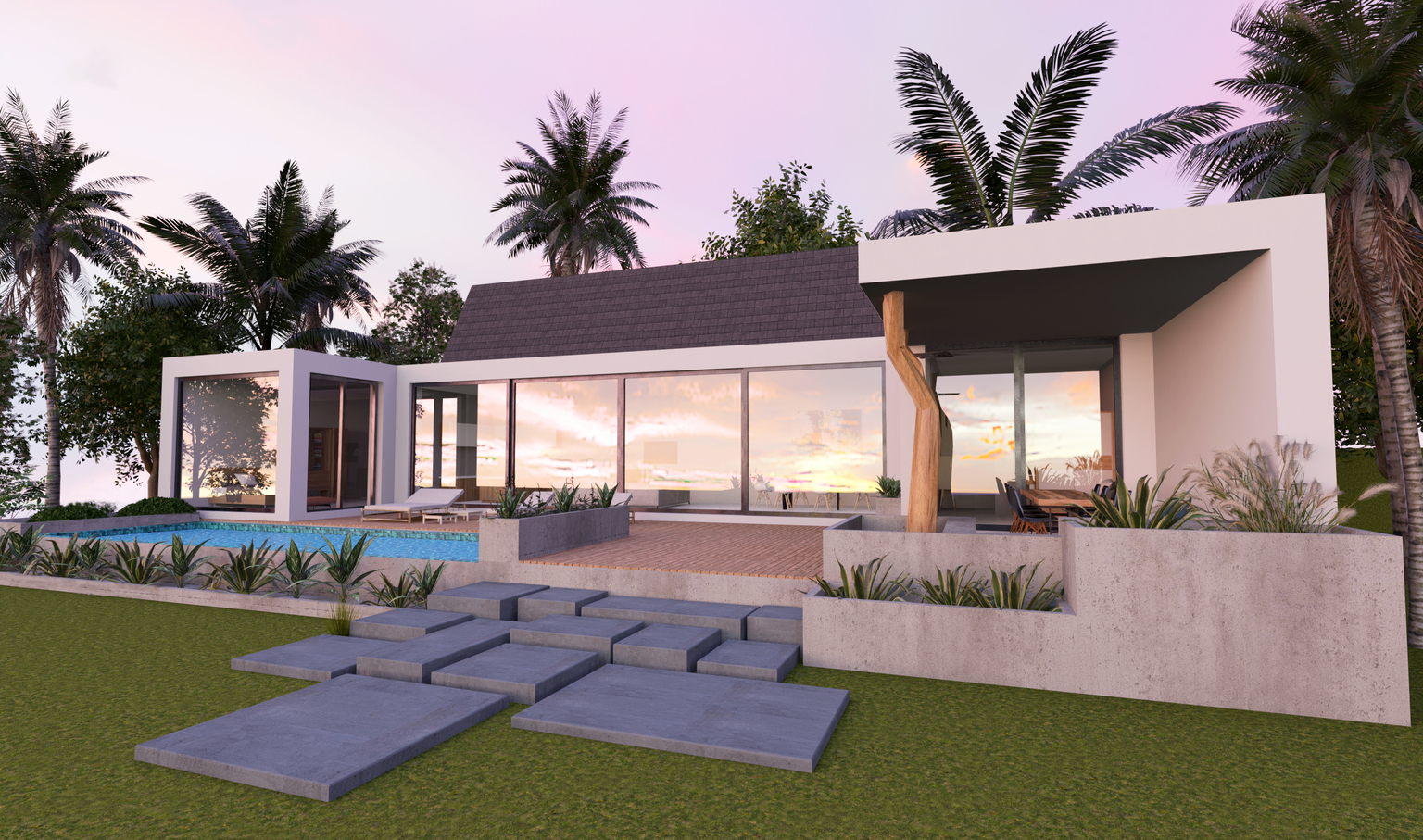
Using Decorative Stonework in Villa Gardens for a Luxurious Touch
Transform villa gardens with luxurious decorative stonework including water features, retaining walls, pathways, and sculptural elements.
By Capital Associated Landscape Architecture TeamNovember 5, 2025
Decorative stonework transforms villa gardens from simple outdoor spaces into sophisticated landscape environments that rival the finest resort destinations. The timeless appeal of natural stone, combined with skilled craftsmanship and thoughtful design, creates outdoor living areas that enhance property values while providing years of enjoyment for residents and guests.
Stone's inherent beauty, durability, and versatility make it the ideal material for creating luxurious garden features that withstand weather exposure while developing character over time. From formal water features and elegant retaining walls to intimate seating areas and dramatic sculptural elements, decorative stonework provides the foundation for creating truly exceptional outdoor environments.
The investment in quality stonework pays dividends through enhanced property values, reduced maintenance requirements, and the creation of outdoor spaces that rival indoor rooms in terms of comfort and sophistication. When properly designed and executed, stone garden features become focal points that define the character and quality of the entire property.
Stone Selection and Design Principles
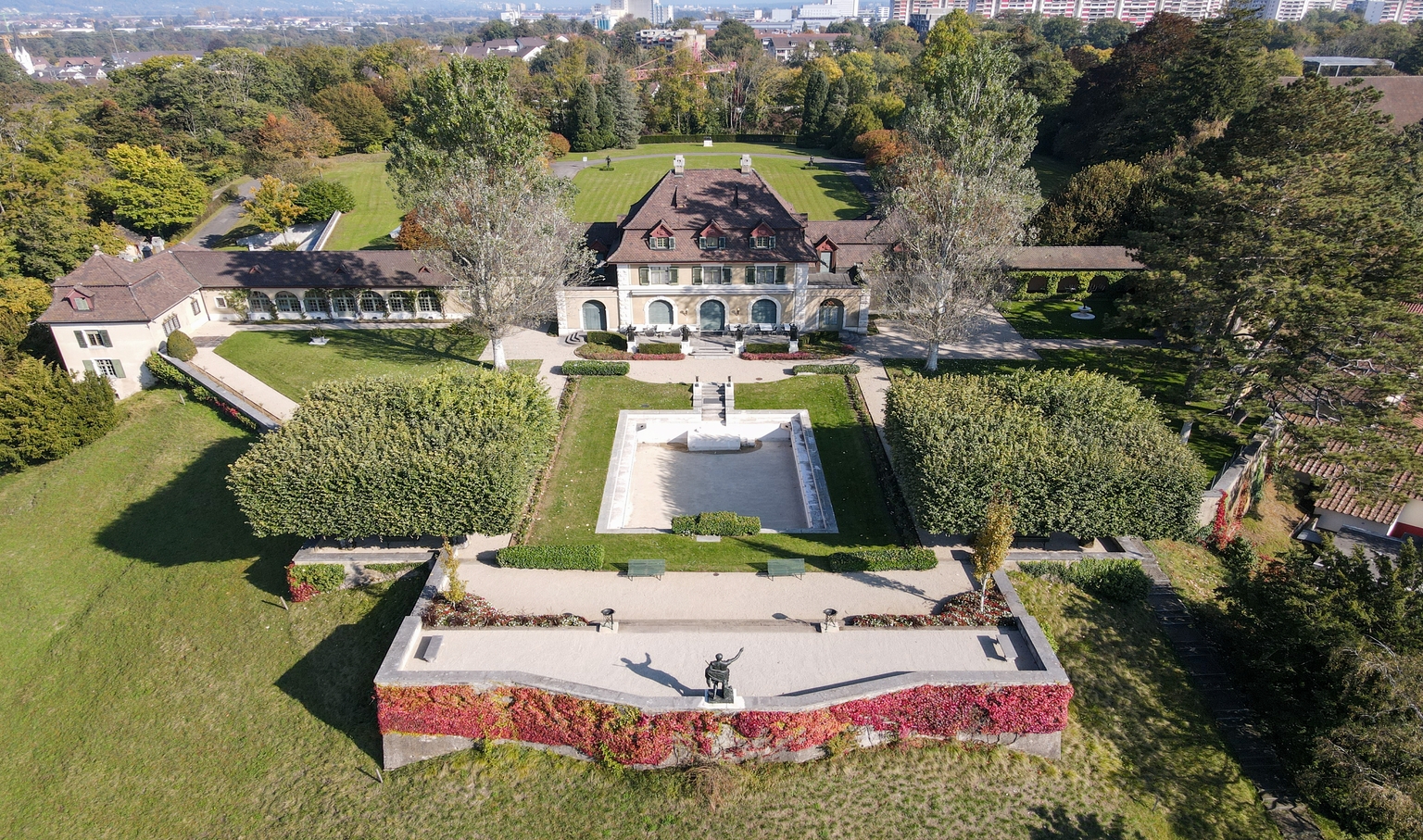
Selecting the right stone materials for villa garden applications requires understanding how different stone types perform in outdoor environments while achieving the desired aesthetic effects. The choice of stone significantly impacts both the initial appearance and long-term performance of garden features.
Natural stone options each offer unique characteristics that affect their suitability for different applications. Limestone provides elegant, refined appearance with excellent workability for detailed carving and shaping. Granite offers exceptional durability and weather resistance with dramatic color and texture variations. Sandstone provides warm, natural colors with good workability and moderate weather resistance.
Color coordination between stone elements and surrounding landscape features creates cohesive design schemes that feel intentional and sophisticated. Stone colors should complement the villa's architecture, surrounding vegetation, and other hardscape materials to create harmonious outdoor environments.
Texture variation adds visual interest and tactile appeal to stone installations. Combining different surface finishes such as polished, honed, bush-hammered, and natural cleft surfaces creates depth and character while providing appropriate slip resistance for different applications.
Scale relationships between stone elements and surrounding spaces ensure features feel proportionate and comfortable within their settings. Oversized stones can overwhelm smaller gardens, while undersized elements may appear insignificant in larger landscape settings.
Architectural integration ensures stone garden features complement the villa's design style and materials. Formal gardens benefit from geometric stone layouts and refined finishes, while naturalistic gardens work better with irregularly shaped stones and rougher textures that blend with natural surroundings.
Maintenance considerations affect long-term appearance and performance. Some stones require regular sealing and cleaning to maintain their appearance, while others develop attractive patina over time with minimal maintenance.
Water Features and Sculptural Elements
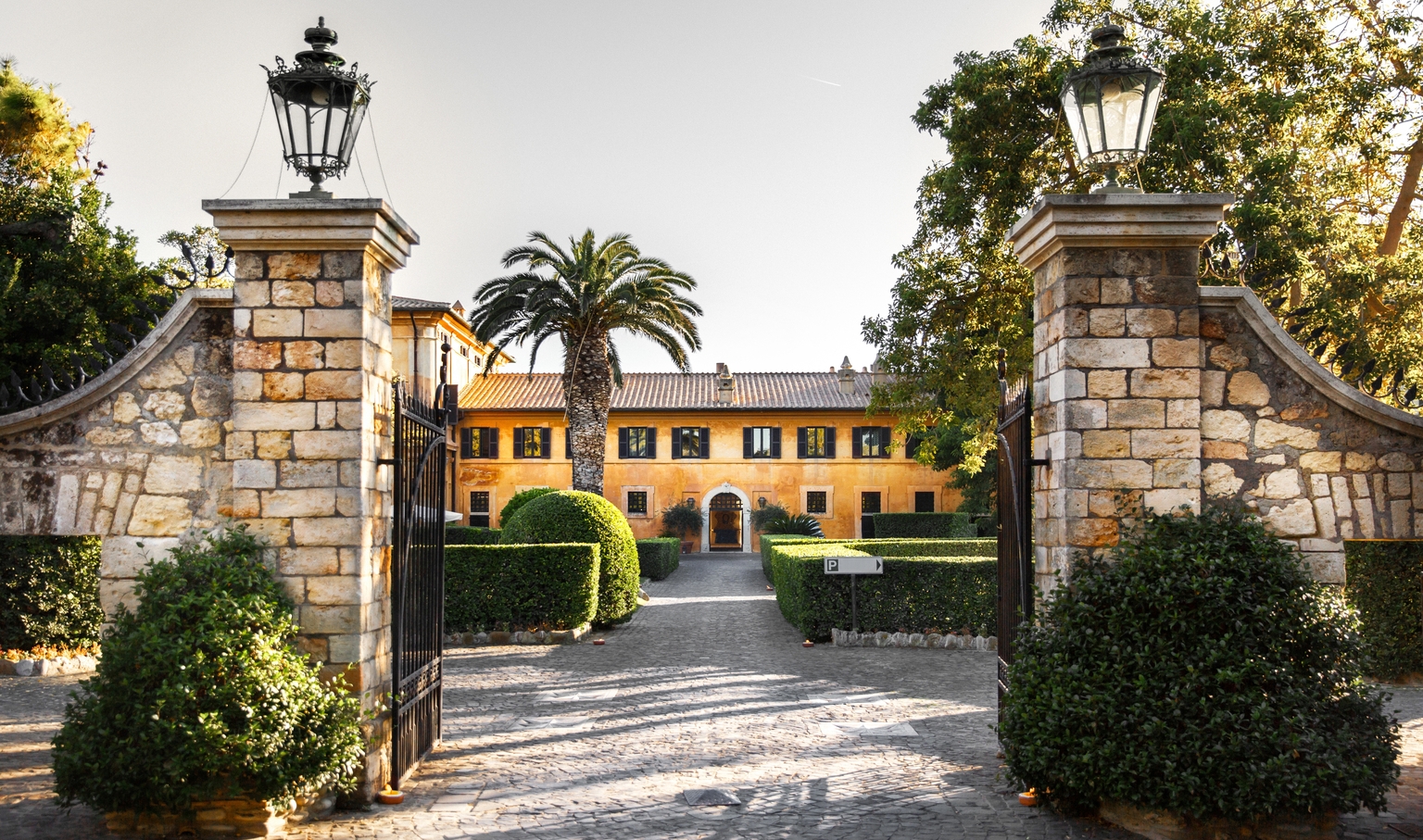
Stone water features serve as dramatic focal points that combine the visual appeal of natural stone with the soothing sounds and movement of water. These features can range from simple bubbling fountains to elaborate multi-tiered waterfalls that create spectacular centerpieces for villa gardens.
Fountain design opportunities include traditional tiered fountains, contemporary geometric water walls, and naturalistic rock waterfalls that can be scaled to fit any garden size or style. The sound characteristics of different fountain designs range from gentle bubbling to dramatic cascading, allowing selection based on the desired ambiance.
Pool and spa integration with decorative stonework creates seamless connections between water features and surrounding landscape elements. Natural stone coping, decorative spillways, and integrated seating areas transform functional pools into landscape art pieces.
Sculptural stone elements including carved statuary, abstract forms, and architectural fragments add artistic focal points that reflect personal taste and cultural interests. These elements can be commissioned from local artisans or selected from antique and reproduction collections.
Lighting integration with stone features extends their visual impact into evening hours while enhancing safety and security. LED lighting systems can be integrated into stone construction to provide subtle uplighting, dramatic shadowing effects, or color-changing displays for special occasions.
Seasonal considerations affect how water features function throughout the year. In climates with freezing temperatures, features must be designed with proper drainage and freeze protection to prevent damage during winter months.
Maintenance access and equipment concealment ensure water features remain attractive while allowing access to pumps, filters, and control systems. Proper planning conceals mechanical equipment while maintaining access for routine maintenance and repairs.
Ready to Start Your Construction Project?
Contact us today to discuss how we can help bring your vision to life with our professional construction services.
Back to Blog
Share this article