

Discover how Building Information Modeling transforms construction project delivery through enhanced collaboration, coordination, and efficiency.
Building Information Modeling has fundamentally transformed how construction projects are planned, designed, coordinated, and executed. BIM represents far more than advanced 3D modeling software - it's a comprehensive approach to project information management that enables unprecedented collaboration, coordination, and performance optimization throughout the building lifecycle.
The integration of BIM into construction workflows has eliminated many traditional sources of project delays, cost overruns, and quality issues while enabling new levels of design innovation and construction efficiency. Projects utilizing comprehensive BIM approaches consistently demonstrate improved outcomes in schedule performance, budget control, and quality achievement compared to traditional project delivery methods.
Modern BIM implementation extends beyond design and construction into facility management and building operations, creating digital twins that support maintenance planning, space management, and performance optimization throughout the building's operational life. This comprehensive approach maximizes the return on BIM investment while providing long-term value to building owners and operators.
1
BIM Fundamentals and Model Development

Building Information Modeling creates intelligent 3D models that contain detailed information about every building component including geometric properties, material specifications, performance characteristics, and lifecycle data. These rich models serve as central repositories of project information that support decision-making throughout design, construction, and operations phases.
Model accuracy and detail requirements vary by project phase and intended use. Early design models focus on spatial relationships and basic system layouts, while construction models require precise dimensions, material specifications, and assembly details. As-built models capture actual construction conditions for handover to facility management teams.
Collaborative modeling workflows enable multiple disciplines to work simultaneously on integrated models while maintaining coordination and avoiding conflicts. Cloud-based BIM platforms facilitate real-time collaboration between team members in different locations while maintaining model integrity and version control.
Standards and protocols ensure consistency and interoperability between different software platforms and project participants. Industry standards such as the National BIM Standard and ISO 19650 provide frameworks for model organization, naming conventions, and information exchange requirements that enable effective collaboration.
Model validation and quality control processes verify model accuracy, completeness, and compliance with project standards. Automated checking tools can identify geometric conflicts, missing information, and standard violations while manual reviews ensure models meet project-specific requirements and industry best practices.
Level of Development (LOD) specifications define the geometric detail and information content appropriate for different model elements at various project phases. LOD standards help ensure models contain appropriate detail for their intended use while avoiding over-modeling that wastes time and computational resources.
Integration with other project systems including cost estimating, scheduling, and project management software creates comprehensive project environments where changes in one system automatically update related information throughout the project database, maintaining consistency and reducing manual coordination efforts.
2
Coordination and Clash Detection Benefits
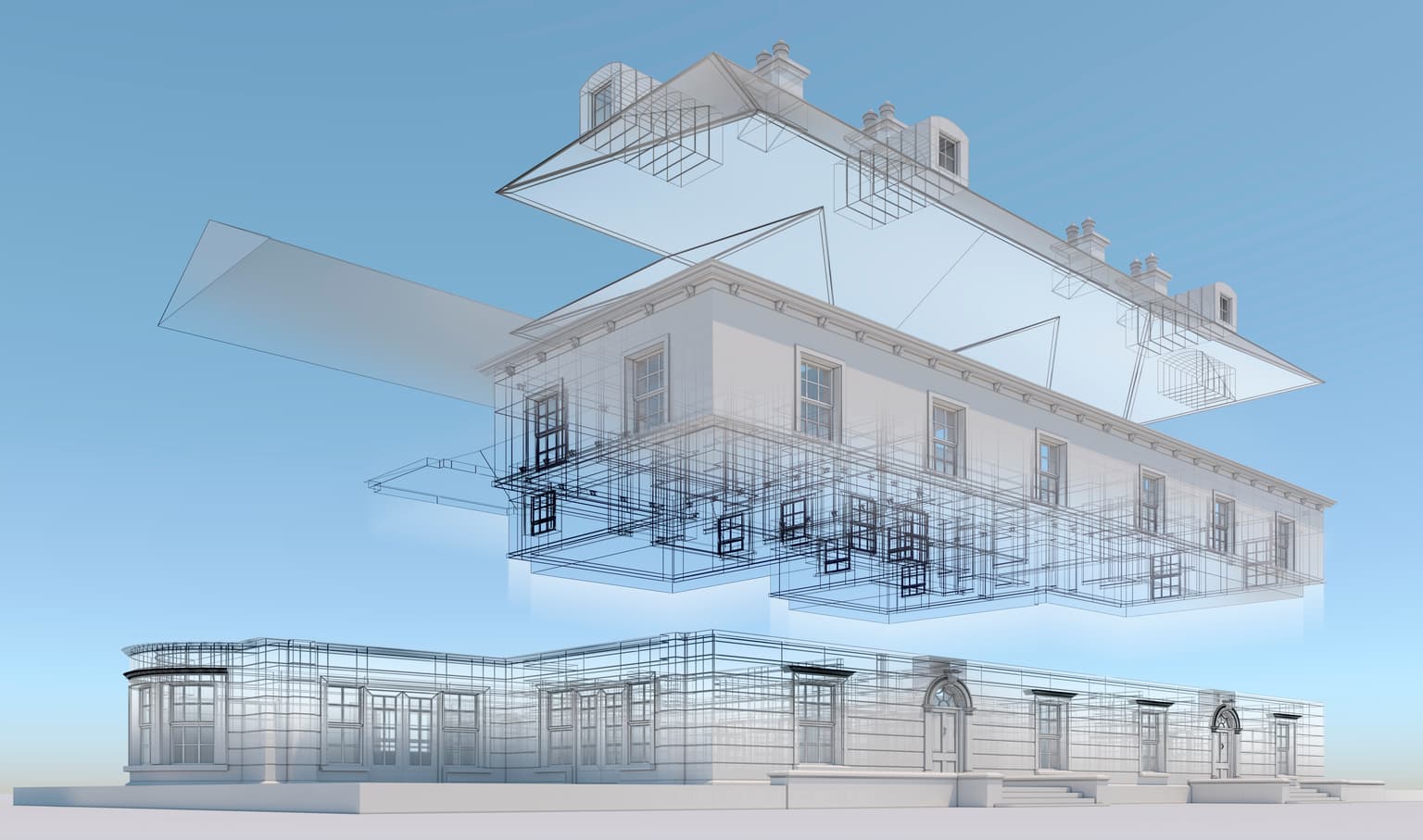
BIM clash detection capabilities identify conflicts between building systems before construction begins, eliminating costly field coordination issues and reducing the need for expensive change orders during construction. This proactive coordination approach significantly improves project outcomes while reducing schedule delays and budget overruns.
Automated clash detection software analyzes 3D models to identify geometric conflicts between structural, architectural, mechanical, electrical, and plumbing systems. These tools can process complex models containing millions of components in minutes, identifying potential conflicts that would take weeks to discover through traditional 2D coordination methods.
Clash resolution workflows establish procedures for reviewing, assigning responsibility, and tracking resolution of identified conflicts. Effective clash management requires clear protocols for prioritizing issues, documenting proposed solutions, and verifying that resolutions don't create new conflicts with other building systems.
Coordination meetings utilize BIM models to facilitate discussion and decision-making about complex technical issues. Visual coordination using 3D models helps all stakeholders understand spatial relationships and system interactions while enabling collaborative problem-solving that considers multiple perspectives and constraints.
Constructability reviews using BIM models help identify potential construction challenges before work begins. Virtual construction sequences can reveal access limitations, material handling challenges, and installation conflicts that inform construction planning and logistics decisions.
Multi-disciplinary coordination extends beyond geometric conflict resolution to include system performance integration, maintenance access requirements, and operational considerations. BIM coordination helps ensure that building systems work together effectively while supporting long-term maintenance and operational needs.
Documentation of coordination decisions provides valuable records for construction teams and facility managers. BIM models can capture approved solutions, alternative approaches considered, and rationale for final decisions that inform future maintenance and modification activities.
Continuous coordination throughout design development ensures that model changes are evaluated for potential conflicts and that all stakeholders remain informed of design evolution. Regular coordination cycles help maintain model accuracy while preventing the accumulation of conflicts that could delay project progress.
3
Construction Sequencing and Project Management

BIM-enabled construction sequencing, often called 4D BIM, integrates detailed 3D models with project schedules to create dynamic visualizations of construction progress over time. This approach enhances project planning, communication, and management while helping identify potential scheduling conflicts and optimization opportunities.
Schedule visualization through 4D BIM helps all stakeholders understand construction sequences and their impacts on site logistics, resource requirements, and milestone achievements. Visual schedules are particularly effective for communicating complex construction sequences to clients, regulatory agencies, and community stakeholders who may not be familiar with traditional schedule formats.
Resource planning benefits from BIM integration include accurate quantity takeoffs, detailed material lists, and equipment requirements that support procurement planning and logistics coordination. BIM-generated quantities are typically more accurate than manual takeoffs while requiring less time and effort to produce and update.
Site logistics planning using BIM models helps optimize material storage areas, equipment placement, and temporary facility locations while ensuring adequate access for construction activities. Virtual site planning can identify potential conflicts and inefficiencies before mobilization, reducing setup time and improving productivity.
Progress monitoring through reality capture integration compares actual construction progress with planned schedules using laser scanning, photogrammetry, and drone surveys. Automated progress tracking provides objective data about project status while identifying areas where corrective action may be needed.
Quality control integration enables systematic tracking of inspection requirements, test results, and acceptance criteria throughout the construction process. BIM models can contain quality control checkpoints and documentation requirements that ensure comprehensive quality management while supporting regulatory compliance.
Change order management through BIM provides visual impact analysis for proposed modifications while enabling accurate cost and schedule impact assessment. BIM-based change management helps stakeholders understand the full implications of proposed changes while supporting informed decision-making about project modifications.
Commissioning support through BIM includes system documentation, performance requirements, and maintenance information that facilitates building startup and performance verification. BIM handover packages provide facility management teams with comprehensive building information that supports efficient operations and maintenance planning.