
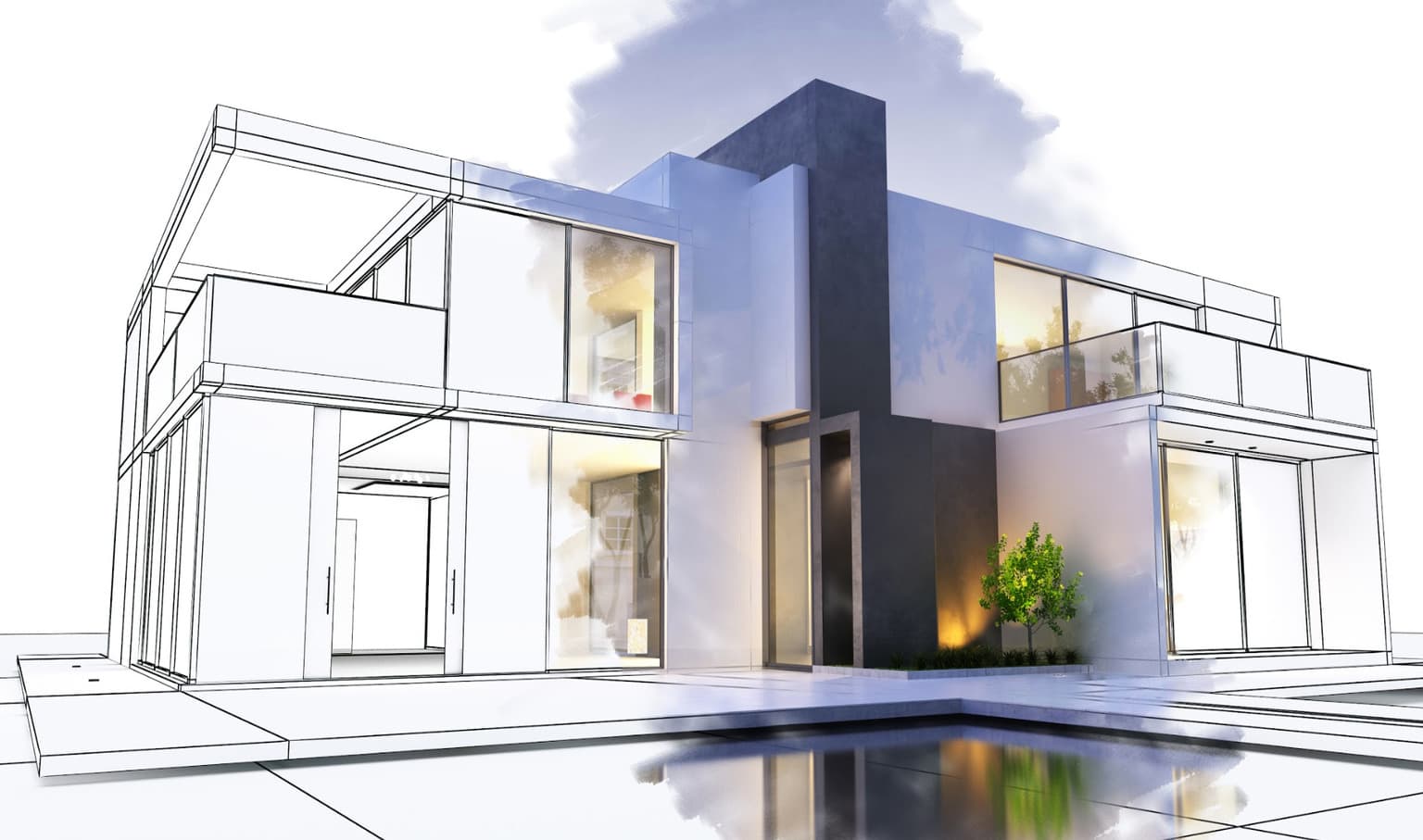
Explore the evolution and benefits of design-build project delivery including collaboration advantages, efficiency gains, and modern innovations.
The design-build approach has emerged as the dominant project delivery method for complex construction projects, fundamentally changing how buildings are conceived, designed, and constructed. This integrated approach eliminates traditional adversarial relationships between designers and contractors while enabling unprecedented collaboration, innovation, and efficiency throughout the project lifecycle.
Design-build methodology represents more than a contractual arrangement - it embodies a philosophical shift toward collaborative problem-solving, shared responsibility, and integrated project delivery that aligns all stakeholders around common objectives. This alignment creates project environments where innovation flourishes while risks are managed more effectively than traditional delivery approaches.
The continued evolution of design-build practices incorporates advanced technologies, sustainable design principles, and performance-based contracting approaches that deliver superior value to clients while creating more satisfying professional experiences for all project participants. Understanding this evolution helps stakeholders make informed decisions about project delivery approaches while positioning themselves for success in the changing construction industry.
1
Historical Development and Industry Adoption

The design-build approach traces its origins to traditional master builder relationships where single entities provided both design and construction services. Modern design-build methodology evolved as a response to the limitations and inefficiencies of design-bid-build delivery while incorporating contemporary project management, risk management, and quality assurance practices.
Industry adoption of design-build delivery has grown dramatically over the past three decades, with design-build now representing the majority of commercial construction projects in many markets. This growth reflects demonstrated performance advantages including shorter project schedules, better cost control, improved quality outcomes, and enhanced client satisfaction compared to traditional delivery methods.
Market drivers for design-build adoption include increasing project complexity, accelerated delivery requirements, integrated technology systems, and client demands for single-point accountability. Modern building systems require unprecedented coordination between disciplines that is facilitated by integrated design-build teams working toward shared objectives.
Performance data from completed projects consistently demonstrates design-build advantages in schedule performance, with typical time savings of 15-25% compared to design-bid-build delivery. Cost performance benefits result from early contractor involvement in design decisions, value engineering opportunities, and reduced change orders during construction.
Quality improvements in design-build projects result from collaborative problem-solving, constructability input during design, and shared responsibility for project outcomes. The integration of design and construction expertise enables identification and resolution of potential issues before they impact project quality or performance.
Client satisfaction with design-build delivery stems from single-point responsibility, streamlined communication, and collaborative project environments that focus on client objectives rather than contractual disputes. Design-build clients report higher satisfaction levels and greater likelihood to use the approach for future projects.
Regulatory and institutional acceptance of design-build delivery has evolved to support this project delivery approach through standardized contract forms, qualification procedures, and procurement processes that enable effective design-build implementation across both private and public sector projects.
2
Integration Strategies and Collaborative Processes
Successful design-build implementation requires sophisticated integration strategies that align diverse professional perspectives, technical expertise, and business objectives around shared project goals. These strategies must address both technical coordination and human dynamics that influence project outcomes.
Team formation and selection processes identify design and construction professionals whose capabilities, experience, and working styles complement each other effectively. Successful design-build teams combine technical excellence with collaborative attitudes and shared commitment to client satisfaction and project innovation.
Collaborative design processes engage construction expertise from project initiation through final design completion, enabling constructability input, value engineering opportunities, and risk identification that inform design decisions. Early contractor involvement helps optimize designs for construction efficiency while maintaining architectural intent and performance requirements.
Integrated project delivery tools including Building Information Modeling, cloud-based collaboration platforms, and shared project management systems facilitate seamless information sharing and coordination between design and construction team members. These tools enable real-time collaboration while maintaining comprehensive project documentation.
Risk sharing agreements align design-build team members around common risk management objectives while establishing appropriate responsibility allocation for different types of project risks. Effective risk sharing encourages collaborative problem-solving while ensuring adequate protection for all stakeholders.
Communication protocols establish regular interaction schedules, decision-making authorities, and information sharing requirements that keep all team members informed and engaged throughout the project lifecycle. Clear communication protocols prevent misunderstandings while facilitating rapid response to emerging issues and opportunities.
Performance measurement systems track both individual and team performance against project objectives while identifying opportunities for process improvement and innovation. Integrated performance measurement helps maintain focus on shared objectives while supporting continuous improvement efforts.
Conflict resolution procedures provide structured approaches for addressing disagreements and disputes before they impact project progress or relationships. Effective conflict resolution emphasizes collaborative problem-solving while maintaining project momentum and team cohesion.
Innovation encouragement creates project environments where team members feel comfortable proposing new approaches, technologies, and solutions that could improve project outcomes. Innovation-friendly environments often produce superior results while advancing industry best practices.