
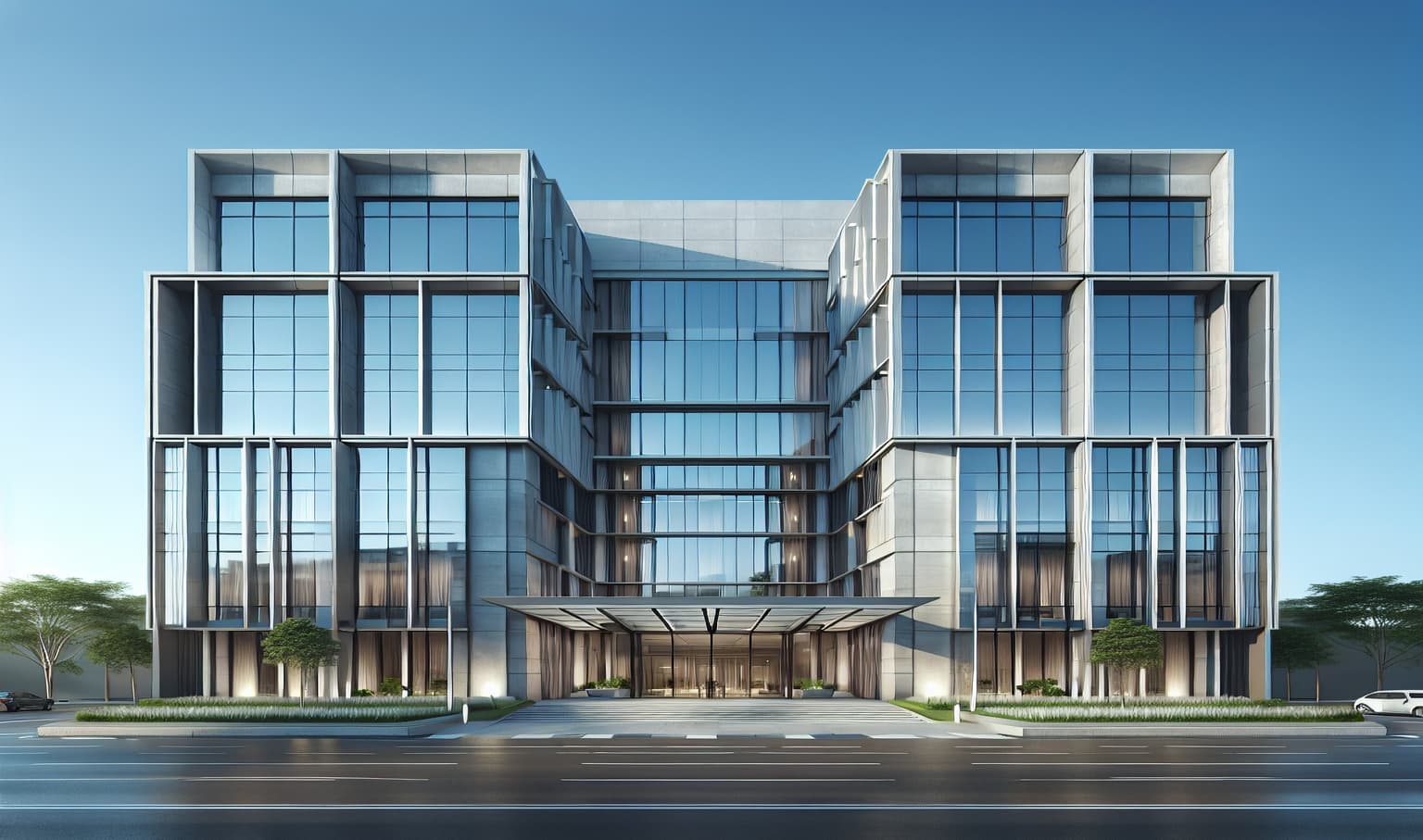
Discover the comprehensive advantages of design-build delivery including schedule benefits, cost control, quality improvements, and stakeholder satisfaction.
Design-build project delivery offers compelling advantages across all dimensions of construction project performance, from schedule and budget control to quality achievement and stakeholder satisfaction. These benefits result from the fundamental integration of design and construction expertise under unified project leadership that aligns all participants around shared objectives and collaborative problem-solving approaches.
The comprehensive nature of design-build benefits extends beyond immediate project advantages to include long-term value creation, relationship development, and organizational learning that benefits all stakeholders. Clients gain single-point accountability and streamlined communication, while design and construction professionals experience more satisfying collaborative relationships and enhanced innovation opportunities.
Understanding the full range of design-build benefits enables informed decision-making about project delivery approaches while helping stakeholders maximize the value potential of integrated project delivery. These benefits become more pronounced on complex projects where coordination challenges and stakeholder alignment issues could otherwise compromise project success.
1
Schedule Performance and Time Savings

Design-build delivery consistently demonstrates superior schedule performance compared to traditional project delivery methods, with typical time savings ranging from 15-33% depending on project complexity and implementation approach. These time savings result from parallel processing of design and construction activities, streamlined decision-making, and elimination of traditional handoff delays between project phases.
Concurrent design and construction activities enable construction to begin on completed building elements while design continues on remaining components. This overlapping approach requires careful coordination and phasing but can significantly compress overall project schedules while maintaining quality and safety standards.
Streamlined approval processes eliminate multiple review cycles and reduce decision-making delays that commonly occur in traditional delivery approaches. Design-build teams can make rapid adjustments to address client feedback or changing requirements without the formal change order processes required in design-bid-build projects.
Early site mobilization opportunities enable construction activities such as site preparation, utilities, and foundation work to proceed based on preliminary designs while detailed design continues on subsequent building elements. This early start capability can save weeks or months on project schedules.
Reduced change orders and field coordination issues eliminate many sources of schedule delays that commonly occur during traditional construction projects. The collaborative design-build approach identifies and resolves potential conflicts before they impact field operations, maintaining construction momentum and schedule adherence.
Procurement advantages enable design-build teams to secure long-lead-time materials and equipment during the design phase rather than waiting for design completion. Early procurement reduces schedule risks associated with material delivery delays while enabling value engineering opportunities based on actual material costs and availability.
Fast-track delivery capabilities allow design-build teams to begin construction activities based on performance specifications and conceptual designs while detailed design development continues. This approach requires sophisticated project management but can dramatically reduce overall project delivery time for time-sensitive projects.
Integrated scheduling approaches coordinate design activities, procurement schedules, and construction sequences to optimize overall project timeline efficiency. These integrated schedules identify critical path activities and resource constraints that enable proactive management of schedule performance throughout the project lifecycle.
2
Cost Control and Value Engineering Benefits
Design-build delivery provides superior cost control through early contractor involvement in design decisions, comprehensive value engineering, and elimination of adversarial relationships that drive change orders and cost escalation in traditional project delivery. These cost benefits often exceed 10-15% savings compared to design-bid-build approaches while delivering equal or superior quality outcomes.
Value engineering integration throughout the design process enables continuous optimization of design solutions based on construction expertise, market knowledge, and cost feedback. This ongoing value engineering produces more cost-effective solutions than one-time value engineering exercises conducted after design completion in traditional delivery methods.
Constructability input during design helps identify potential construction challenges and cost drivers before they become expensive field problems. Early identification of constructability issues enables design modifications that reduce construction costs while maintaining design intent and performance requirements.
Competitive procurement of subcontracts and materials benefits from design-build team relationships and market knowledge while maintaining competitive pricing pressure. Design-build contractors can leverage their ongoing relationships and volume purchasing power to achieve favorable pricing while ensuring quality and delivery performance.
Risk allocation optimization distributes project risks to parties best positioned to manage them effectively, reducing overall project risk premiums and contingency requirements. Appropriate risk allocation encourages efficient risk management while avoiding the excessive contingencies often required when risks are poorly allocated.
Lifecycle cost analysis integration enables design decisions that consider both initial construction costs and long-term operating costs, delivering superior overall value to building owners. This lifecycle approach often identifies opportunities for modest initial cost increases that generate substantial operating cost savings.
Budget certainty through fixed-price contracting provides clients with cost certainty early in the project development process, enabling confident financial planning and reduced contingency requirements. Early cost certainty also supports more aggressive project schedules by eliminating extended bidding periods.
Change order minimization results from collaborative design processes that address client requirements comprehensively while enabling rapid response to necessary modifications without formal change order procedures that increase costs and extend schedules in traditional delivery approaches.