

Master the essential planning considerations for successful commercial development projects including market analysis, site planning, and financial structuring.
Commercial development projects require comprehensive planning that addresses market dynamics, regulatory requirements, financial considerations, and operational factors that determine long-term project success. Successful commercial developments create value for all stakeholders while contributing positively to the communities they serve, requiring careful balance of competing interests and sophisticated project management throughout the development process.
The complexity of commercial development planning has increased significantly as markets become more competitive, regulations become more stringent, and stakeholder expectations continue to evolve. Modern commercial developments must address sustainability requirements, technological infrastructure needs, and changing workplace patterns while delivering attractive financial returns and meeting community development objectives.
Strategic planning for commercial developments begins with thorough market analysis and extends through detailed operational planning that ensures long-term viability and performance. The most successful developments integrate market insights, design innovation, and operational efficiency to create properties that maintain their competitive position and value over extended periods while adapting to changing market conditions and user requirements.
1
Market Analysis and Site Selection
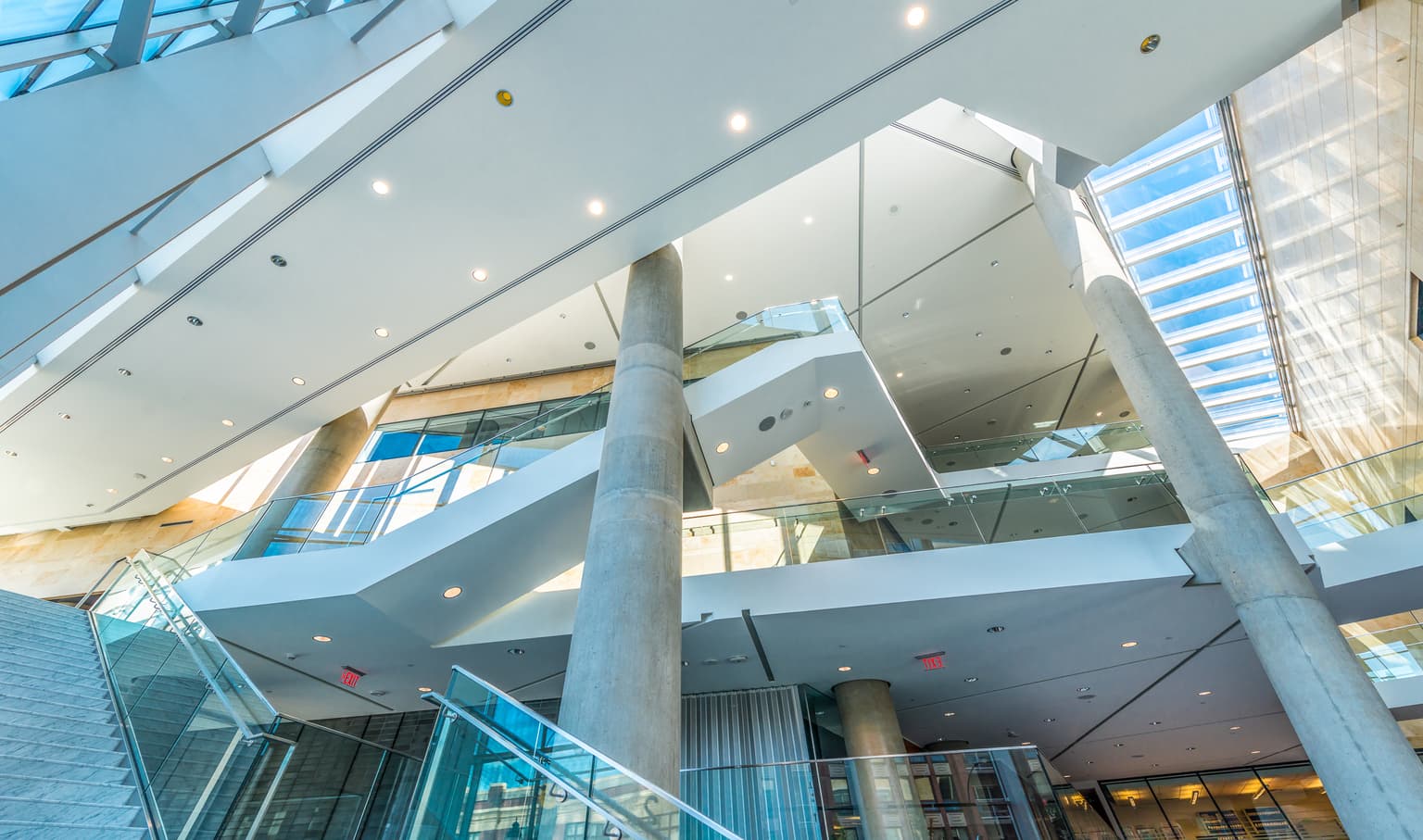
Comprehensive market analysis forms the foundation of successful commercial development by identifying demand patterns, competitive dynamics, and location factors that influence project viability and long-term success. Effective market analysis combines quantitative data analysis with qualitative insights about market trends and user preferences that inform design and positioning decisions.
Demographic analysis examines population characteristics, employment patterns, income levels, and growth trends that influence demand for different types of commercial space. Understanding demographic trends helps developers identify emerging opportunities while avoiding markets with declining fundamentals that could compromise project performance.
Economic base analysis evaluates the industries, employers, and economic drivers that support local commercial real estate demand. Diversified economic bases provide more stable demand than markets dependent on single industries or employers, reducing project risk while supporting long-term value stability.
Competition assessment examines existing and planned commercial developments that may compete for the same tenants or customers. Understanding competitive positioning helps identify differentiation opportunities while informing pricing strategies and design decisions that enhance market appeal.
Location analysis evaluates accessibility, visibility, traffic patterns, and infrastructure availability that influence commercial property performance. Prime locations command premium rents and maintain value better during market downturns, justifying higher acquisition and development costs through superior long-term returns.
Zoning and regulatory analysis identifies development constraints and opportunities that affect project feasibility and design options. Understanding regulatory requirements early in the planning process prevents costly delays while enabling optimization of development density and configuration within applicable regulations.
Site characteristics including size, topography, soil conditions, and utility availability significantly impact development costs and design options. Thorough site analysis helps identify potential challenges while revealing opportunities for innovative design solutions that maximize site utilization and minimize development costs.
Transportation and infrastructure analysis evaluates access to highways, public transportation, airports, and other connectivity factors that influence tenant attractiveness and operational efficiency. Superior connectivity often justifies premium development costs through enhanced tenant appeal and operational advantages.
Future development planning considers how surrounding area development may impact project performance over time. Understanding planned infrastructure improvements, zoning changes, and major development projects helps position commercial developments to benefit from positive changes while avoiding negative impacts from incompatible development.
2
Design and Programming Optimization

Commercial development design must balance aesthetic appeal, functional efficiency, and operational performance while meeting diverse tenant requirements and maintaining flexibility for future adaptations. Successful design optimization creates environments that attract and retain quality tenants while minimizing operating costs and maintenance requirements throughout the building lifecycle.
Space programming analysis determines optimal mix of space types, unit sizes, and tenant configurations based on market demand and operational efficiency considerations. Effective programming maximizes rentable area while providing appropriate common areas, circulation space, and building support functions that enhance tenant satisfaction and operational performance.
Architectural design considerations include building image, materials selection, and architectural details that influence market positioning and long-term maintenance requirements. High-quality design enhances tenant attraction and retention while supporting premium rental rates that justify additional investment in superior materials and construction quality.
Layout efficiency optimization maximizes usable space while minimizing circulation areas and building support spaces that do not generate rental income. Efficient layouts reduce development costs per rentable square foot while enabling competitive rental rates that attract quality tenants and generate superior investment returns.
Flexibility planning incorporates design features that enable future tenant modifications and reconfiguration without major structural changes. Flexible designs maintain tenant appeal over time while reducing future renovation costs that could impact project cash flows and investment returns.
Technology infrastructure planning addresses current and anticipated future requirements for data, telecommunications, and building automation systems that tenants expect in modern commercial facilities. Advanced infrastructure capabilities can provide competitive advantages while reducing future upgrade costs.
Parking and circulation design affects both development costs and tenant satisfaction through adequate supply, convenient access, and efficient traffic flow. Parking ratios must balance tenant requirements with development costs while complying with zoning requirements and sustainability objectives.
Sustainability integration includes energy efficiency measures, water conservation systems, and sustainable materials that reduce operating costs while meeting tenant environmental expectations and regulatory requirements. Green building features often command rent premiums while reducing operating expenses.
Common area and amenity planning creates shared spaces that enhance tenant satisfaction and building appeal while supporting community building among tenants. Well-designed common areas can justify premium rents while creating competitive advantages in tenant attraction and retention.