
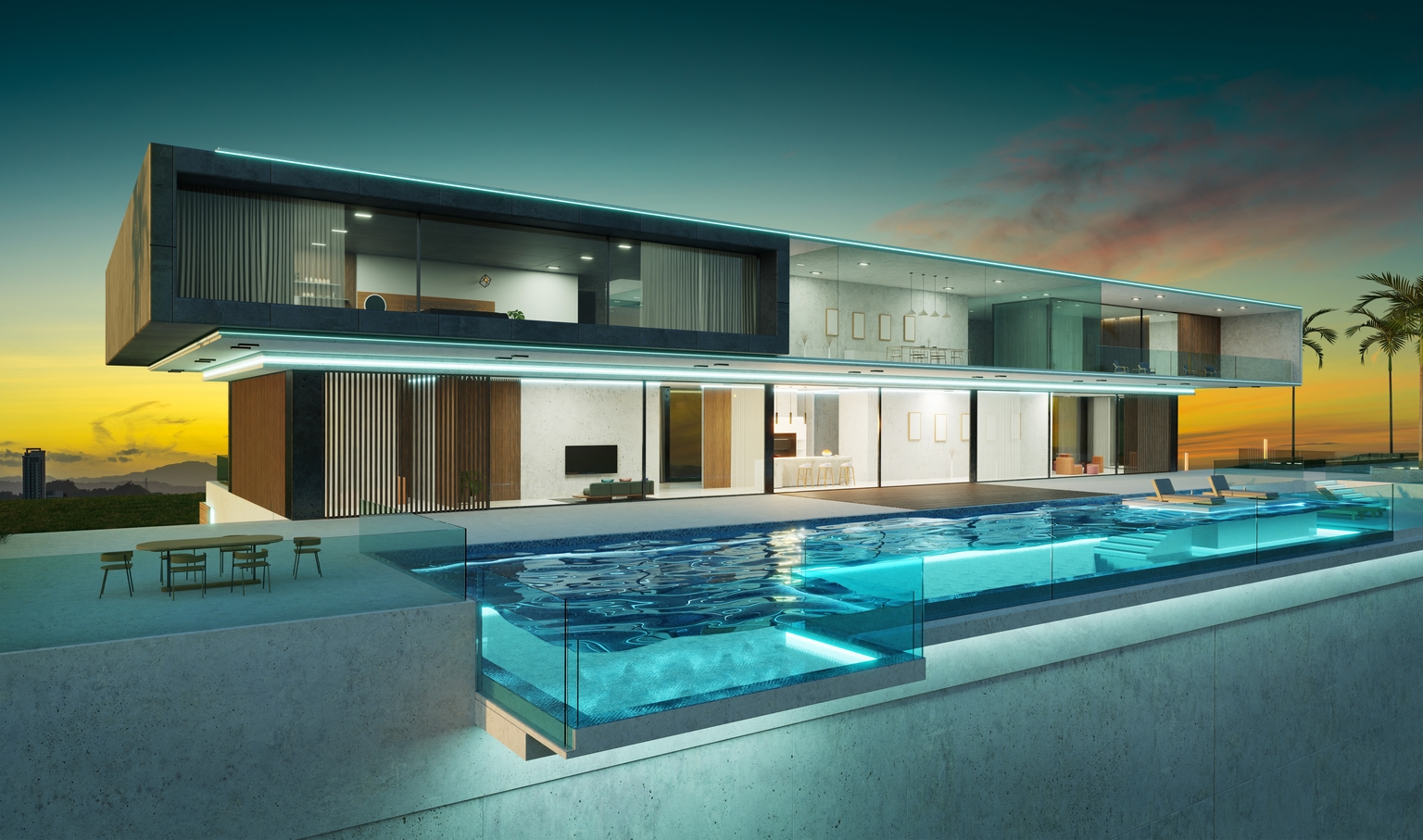
Effective Moisture Control in the Design of Luxury Villas by the Sea
Discover specialized moisture control strategies for luxury coastal villas including advanced building envelope design and humidity management systems.
By Capital Associated Engineering TeamNovember 5, 2025
Coastal luxury villas face unique moisture control challenges that require specialized design strategies and construction techniques. The combination of salt air, high humidity, temperature fluctuations, and potential storm exposure creates a demanding environment that can compromise building performance and durability if not properly addressed through comprehensive moisture management systems.
Successful moisture control in coastal environments requires understanding the multiple sources of moisture including wind-driven rain, humid air infiltration, ground moisture, and occupant-generated humidity. Each source requires specific prevention and management strategies that work together as an integrated system to protect the building envelope and maintain a healthy indoor environment.
The investment in proper moisture control systems pays dividends in reduced maintenance costs, improved indoor air quality, and enhanced building longevity. Luxury villa owners expect their properties to maintain pristine condition and provide comfortable living environments regardless of external weather conditions, making effective moisture control essential to project success.
Understanding Coastal Moisture Challenges
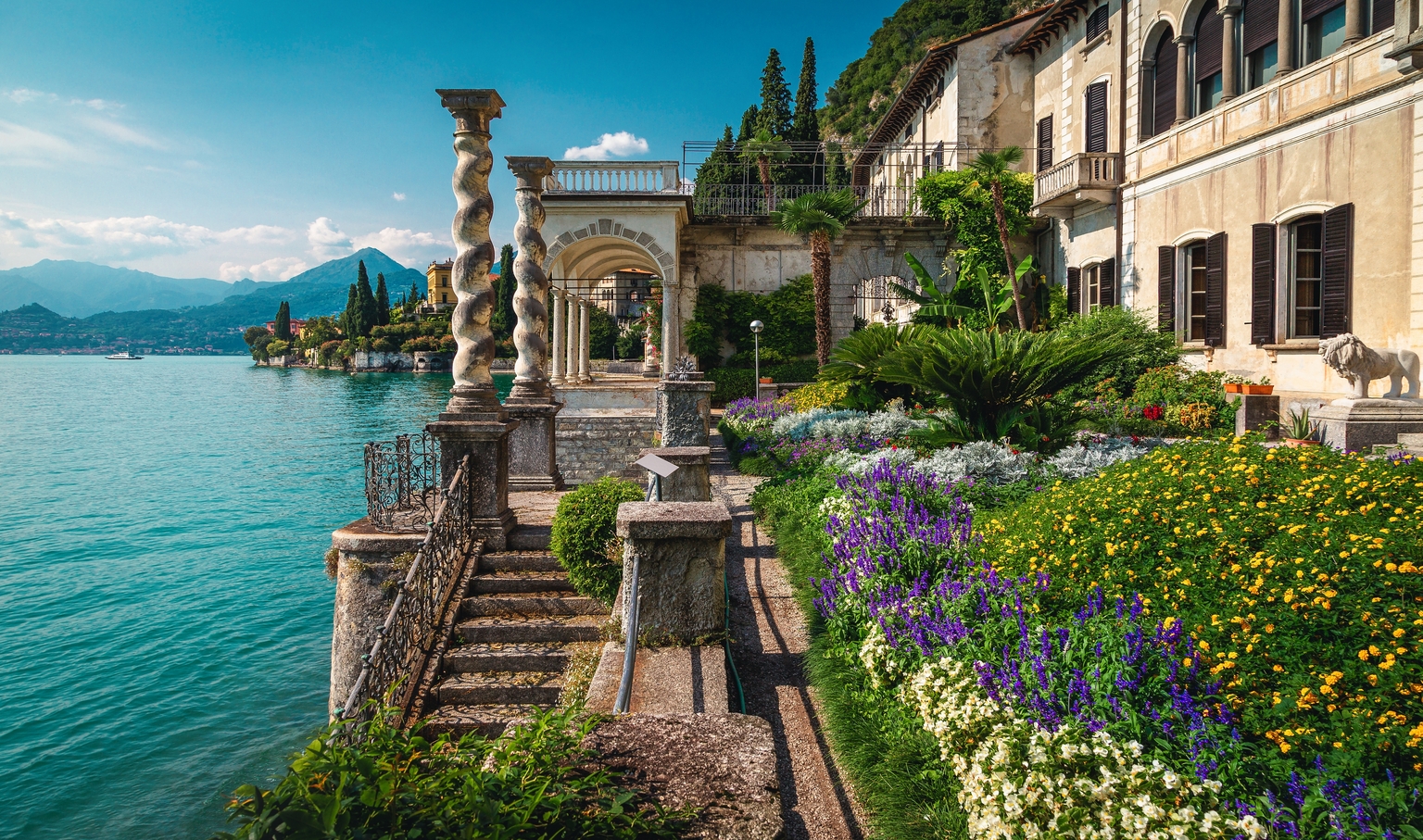
Coastal environments present unique moisture challenges that differ significantly from inland construction conditions. The proximity to large bodies of water creates consistently high humidity levels, while salt-laden air can accelerate corrosion of building materials and systems. Understanding these challenges is the first step in developing effective moisture control strategies.
Salt air exposure affects both organic and inorganic building materials. Metal components are particularly susceptible to accelerated corrosion, while concrete and masonry can experience salt crystallization damage over time. These effects require careful material selection and protective measures to ensure long-term durability.
Wind-driven rain is a significant moisture source in coastal areas, especially during storms when horizontal rain can penetrate building assemblies that would typically provide adequate protection. The combination of high wind speeds and substantial rainfall requires enhanced weather barriers and drainage systems.
Ground moisture can be elevated in coastal areas due to high water tables and potential flooding during storm events. Rising damp and hydrostatic pressure against foundation walls require comprehensive waterproofing systems and proper drainage design.
Temperature fluctuations between day and night, combined with high humidity levels, create conditions conducive to condensation formation within building assemblies. This interstitial condensation can lead to hidden moisture problems that damage building components and create mold growth conditions.
Humidity management becomes critical in coastal villas where outdoor humidity levels often exceed comfortable indoor levels. Mechanical systems must be designed to handle the additional moisture load while maintaining energy efficiency and occupant comfort.
Advanced Building Envelope Systems

The building envelope serves as the primary defense against moisture intrusion in coastal villas. Advanced envelope systems incorporate multiple layers of protection including weather barriers, vapor controls, and drainage systems that work together to manage moisture effectively while maintaining energy performance.
Rainscreen wall systems provide excellent moisture protection by creating a ventilated cavity between the exterior cladding and the weather-resistant barrier. This cavity allows any moisture that penetrates the cladding to drain out while preventing bulk water from reaching the structural components.
High-performance weather barriers are essential in coastal applications where standard housewraps may not provide adequate protection. Advanced membrane systems offer superior water resistance while maintaining vapor permeability to allow moisture to escape from within the wall assembly.
Vapor management strategies must account for the coastal climate's high humidity levels and varying temperature conditions. In some coastal locations, vapor barriers may need to be positioned differently than in standard construction to prevent condensation within wall assemblies.
Window and door installations require enhanced sealing and flashing details to prevent wind-driven rain penetration. Coastal installations often incorporate additional sealant applications, enhanced flashing systems, and impact-resistant glazing to withstand storm conditions.
Roof systems in coastal areas must handle both significant water loads and potential wind uplift forces. Enhanced drainage systems, impact-resistant materials, and secure attachment methods are essential for maintaining weather protection during severe weather events.
Material selection for coastal applications favors corrosion-resistant options including stainless steel fasteners, aluminum or vinyl cladding systems, and concrete or masonry construction that can withstand salt air exposure without degradation.
Ready to Start Your Construction Project?
Contact us today to discuss how we can help bring your vision to life with our professional construction services.
Back to Blog
Share this article