
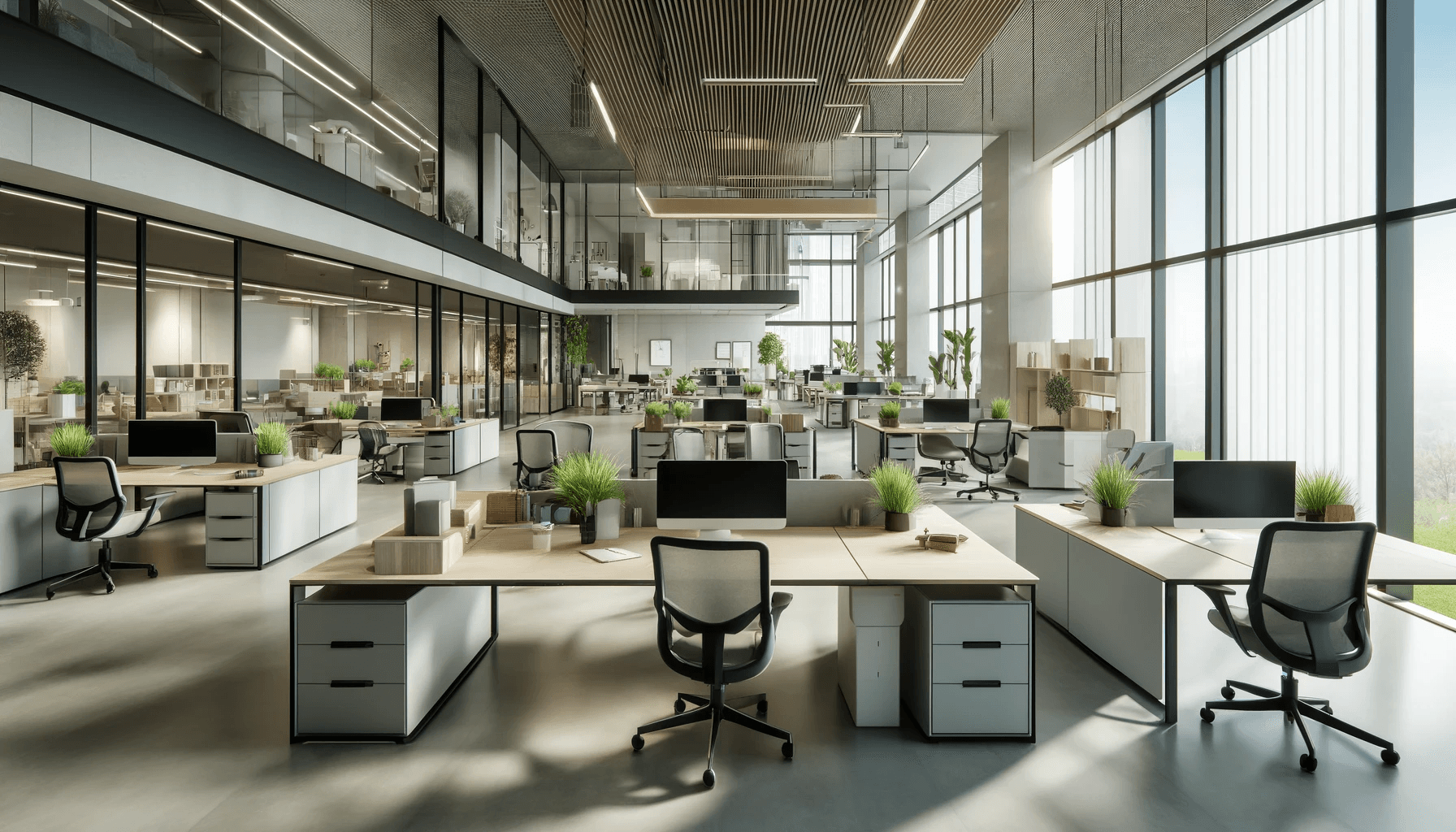
Learn how to select the best materials for commercial fit-out projects balancing quality, durability, aesthetics, and budget considerations.
Selecting appropriate materials for commercial fit-out projects requires balancing aesthetic appeal, functional performance, durability requirements, and budget constraints while ensuring compliance with building codes and industry standards. The materials you choose will significantly impact both the immediate appearance and long-term performance of your commercial space.
Material selection affects every aspect of commercial fit-out from initial construction costs through ongoing maintenance requirements and eventual replacement needs. Understanding material properties, performance characteristics, and lifecycle costs enables informed decisions that optimize both immediate project success and long-term operational efficiency.
Modern commercial spaces demand materials that support evolving workplace needs including flexibility, sustainability, and technology integration while maintaining professional appearance and creating environments that enhance productivity and employee satisfaction.
1
Flooring and Surface Material Selection

Commercial flooring must withstand heavy traffic while maintaining appearance and supporting various workplace activities. Different areas within commercial spaces may require different flooring solutions based on use patterns, maintenance requirements, and aesthetic objectives.
Carpet tiles offer flexibility for commercial applications through easy replacement of damaged sections, design versatility, and acoustic benefits that support open office environments. Modern carpet tiles provide stain resistance and durability while offering unlimited design possibilities.
Hard surface flooring including luxury vinyl tile, ceramic tile, and polished concrete provides durability and easy maintenance while supporting heavy equipment loads and high traffic areas. These materials offer excellent lifecycle value in appropriate applications.
Specialty flooring solutions including rubber flooring, epoxy systems, and anti-static materials address specific performance requirements in technical areas, healthcare facilities, and specialized commercial applications where standard materials may not provide adequate performance.
2
Wall Systems and Ceiling Solutions
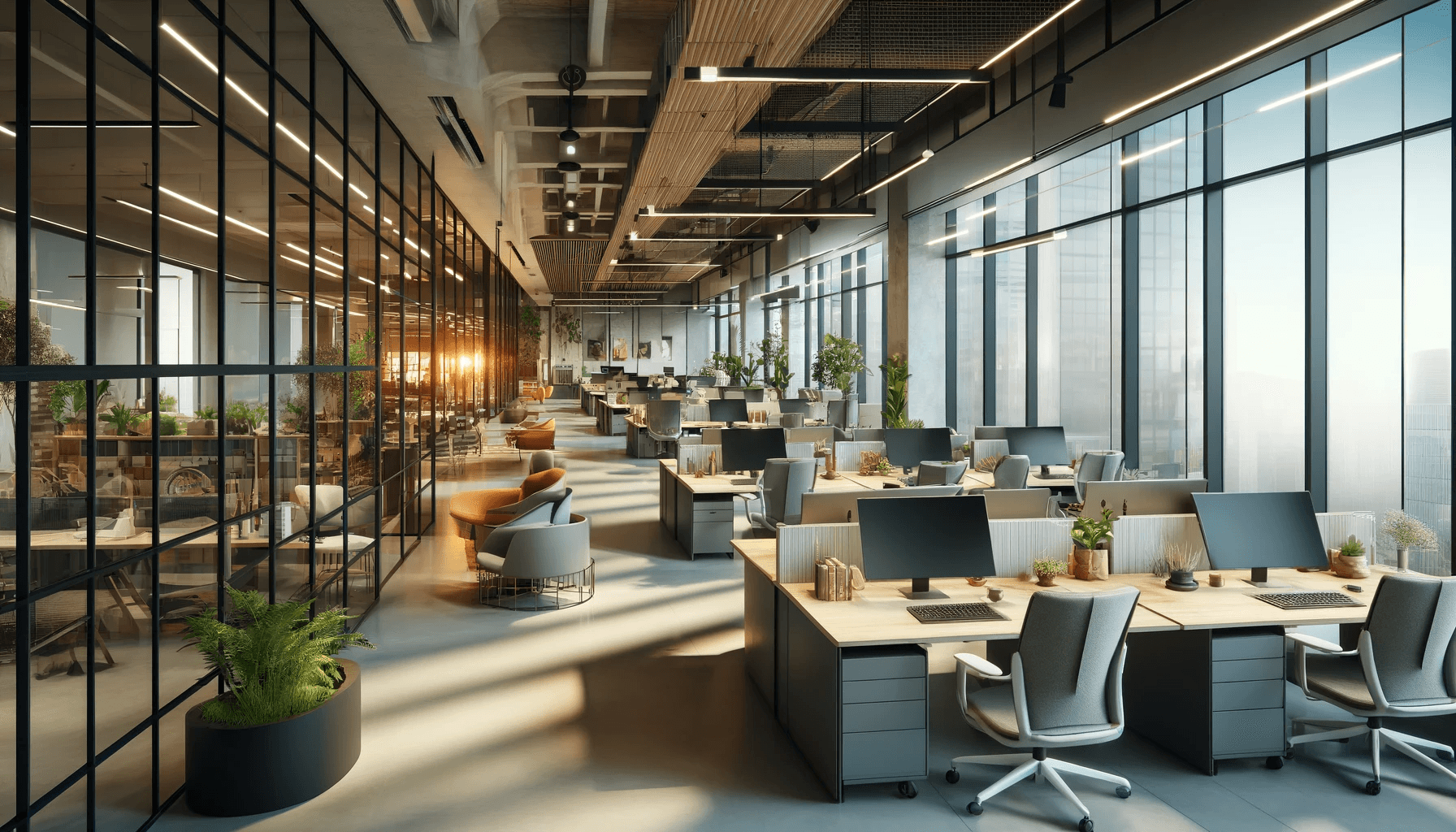
Commercial wall systems must provide durability, acoustic performance, and design flexibility while supporting technology integration and future modifications. Ceiling systems contribute to acoustic comfort, lighting efficiency, and overall space aesthetics.
Drywall systems with appropriate finishes provide cost-effective solutions for most commercial applications while enabling easy modification for future tenant improvements. High-traffic areas may benefit from impact-resistant materials or protective elements.
Modular wall systems offer flexibility for changing space configurations while providing excellent acoustic performance and integrated technology infrastructure. These systems support evolving workplace needs while maintaining professional appearance.
Ceiling systems including acoustic tiles, linear systems, and open ceilings each offer distinct advantages for different commercial applications. Acoustic performance, lighting integration, and maintenance access should guide ceiling system selection.