
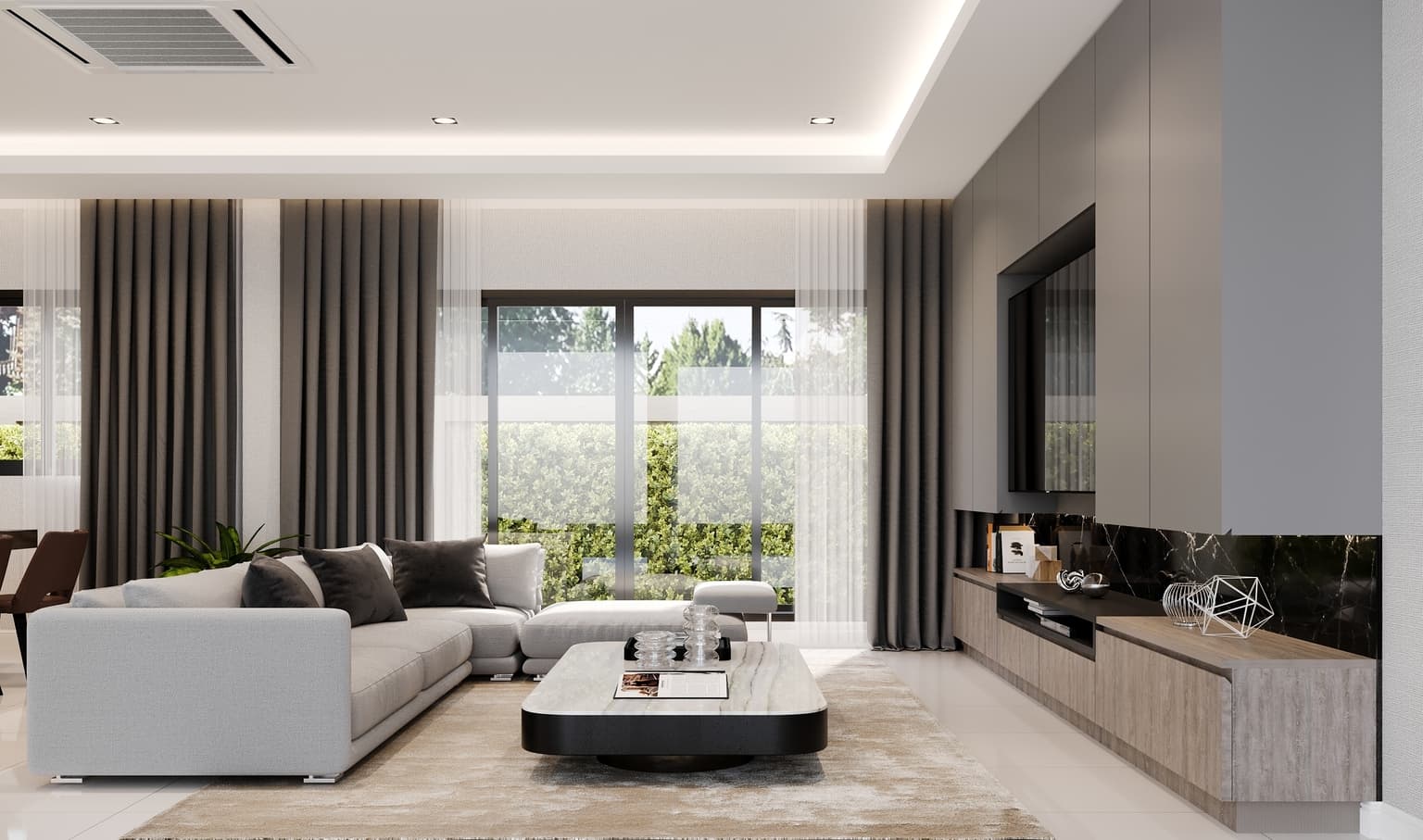
Master interior fit-out project success with essential tips covering planning, coordination, budget management, and quality control strategies.
Interior fit-out projects require careful planning, coordination, and attention to detail to create functional, attractive spaces that meet user needs while staying within budget and schedule constraints. Whether renovating existing space or fitting out new construction, successful projects depend on understanding the unique challenges and opportunities that interior work presents.
Modern fit-out projects often involve complex coordination between multiple trades, integration of advanced technology systems, and compliance with evolving workplace standards and regulations. The key to success lies in comprehensive planning, clear communication, and proactive management of the many variables that can impact project outcomes.
The investment in proper fit-out planning and execution pays dividends in reduced change orders, faster occupancy, and spaces that truly meet user needs. These tips represent proven strategies that help ensure fit-out projects deliver exceptional results while avoiding common pitfalls that can derail projects or compromise quality.
1
Planning and Design Coordination
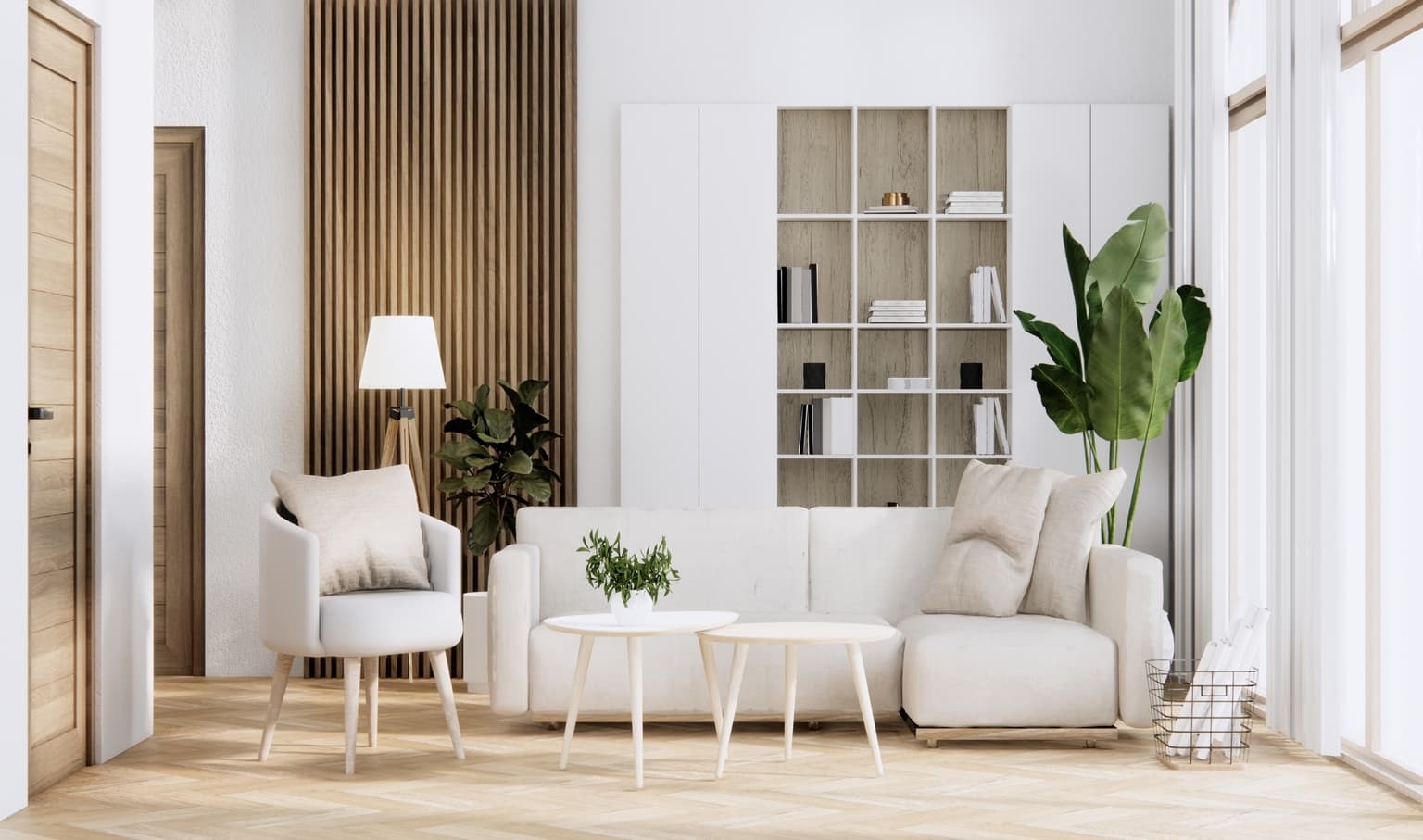
Comprehensive planning forms the foundation of successful interior fit-out projects. This phase requires detailed space analysis, user requirement assessment, and coordination between design disciplines to create functional layouts that maximize space efficiency while meeting aesthetic objectives.
Space programming involves analyzing how spaces will be used, determining capacity requirements, and establishing functional relationships between different areas. This analysis guides design decisions and helps ensure the finished space meets user needs and operational requirements.
Design development requires close coordination between architects, interior designers, MEP engineers, and specialty consultants to create integrated designs that work together seamlessly. Early coordination helps identify potential conflicts and ensures all systems can be accommodated within the available space.
Code compliance review ensures the design meets all applicable building codes, accessibility requirements, and safety regulations. Interior fit-out projects must comply with requirements for egress, fire protection, ventilation, and accessibility that may differ from the base building systems.
Technology infrastructure planning addresses data, telecommunications, audiovisual, and security system requirements that are increasingly complex in modern workplaces. Early coordination with technology vendors helps ensure adequate capacity and proper integration with architectural elements.
Furniture and equipment coordination ensures that built-in elements work properly with furniture systems, equipment installations, and user workflow requirements. This coordination prevents conflicts during installation and ensures optimal functionality of the completed space.
Phasing plans for occupied buildings help minimize disruption to ongoing operations while enabling efficient construction sequencing. Careful phasing can significantly reduce project costs and user inconvenience during construction.
2
Budget Management and Value Engineering
Effective budget management requires accurate cost estimation, proactive cost control, and value engineering strategies that optimize project value while maintaining design intent and quality standards. Interior fit-out projects often face budget pressures that require creative solutions to deliver desired outcomes within financial constraints.
Detailed cost estimation involves obtaining accurate pricing for all project components including labor, materials, equipment, and soft costs such as permits and professional fees. Early cost estimation helps identify budget challenges and guides design decisions that affect project costs.
Value engineering reviews examine design solutions to identify opportunities for cost savings without compromising functionality or aesthetics. These reviews often reveal alternative materials, systems, or approaches that provide equal or superior performance at lower costs.
Contingency planning establishes financial reserves for unforeseen conditions, change orders, and market fluctuations that commonly occur during interior fit-out projects. Adequate contingencies help prevent budget overruns while enabling flexibility to address issues that arise during construction.
Cost tracking and reporting systems provide regular updates on project expenditures compared to budget allocations. Early identification of cost overruns enables proactive management and corrective actions that help keep projects on budget.
Procurement strategies including competitive bidding, negotiated contracts, and alternative delivery methods can significantly impact project costs. The appropriate procurement approach depends on project complexity, schedule requirements, and market conditions.
Life cycle cost analysis considers long-term operating and maintenance costs in addition to initial construction costs. This analysis often reveals that higher-quality materials and systems provide better overall value despite higher initial costs.